
How to Tell If Your Garage Door Is Frozen
- The opener runs and strains, but the door doesn't lift
- The door lifts on one side but stays stuck on the other
- The door starts to rise, then reverses back down
- You can see ice along the bottom seal or in the tracks
- The door opened fine yesterday, and temperatures dropped below freezing overnight
Not sure it's ice? If the bottom seal is clear and the door still won't lift more than a few inches, the problem may be a broken spring instead. Stop using the door and call a professional.
Where Garage Doors Freeze
Bottom Seal Frozen to the Ground
This is the most common cause by far. Water pools at the threshold, especially on driveways that slope toward the garage, and freezes the rubber seal to the floor. Cracked or flattened seals let even more water underneath.
Ice in the Tracks and Rollers
Moisture can freeze inside the tracks or around the rollers, making the door bind as it moves. You may hear grinding or see the door move unevenly.
Frozen Weatherstripping on the Sides and Top
The weatherstripping around the door frame can freeze to the door panels. This usually adds drag rather than locking the door completely, but it's enough to make the opener stop or reverse.
Frozen Locks and Keypads
Manual side locks can freeze in place, and exterior keypads may stop responding in extreme cold. Make sure the manual lock is fully disengaged before you run the opener.
How to Safely Free a Frozen Garage Door
- Stop pressing the button. Every attempt strains the opener and stresses the seal.
- Clear snow and standing water away from the bottom of the door, inside and out.
- Apply gentle heat. Use a hair dryer or a heat gun on its lowest setting along the frozen seal. Keep it moving so you don't melt the rubber or blister the paint.
- Use an ice melt that's safe for concrete along the seal, then give it time to work.
- Chip carefully. If needed, use a plastic scraper to break up ice. Never use a metal shovel, ice pick or screwdriver against the seal.
- Try the opener once. If the door still won't open, stop and call a professional.
Warning: Don't pour hot water on the seal. It refreezes quickly and can make the problem worse. And don't pull the emergency release to lift the door by hand unless you're sure the springs are intact.
What Happens If You Force a Frozen Garage Door
- Torn bottom seal: The rubber rips away and stays frozen to the floor.
- Bent top panel: The opener pushes against a door that won't move, which can bow or crack the top section.
- Opener damage: Gears strip and motors overheat when the opener keeps straining.
- Cable and track problems: If one side breaks free before the other, the door can go crooked or come off track.
How to Keep Your Garage Door From Freezing Shut
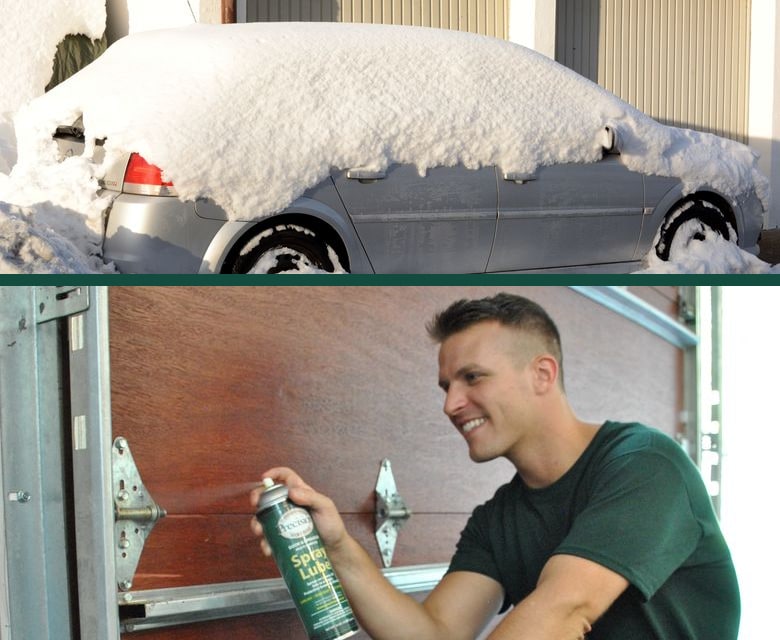
- Spray the bottom seal with a silicone-based lubricant before freezing weather. Avoid petroleum products, which can break down rubber.
- Sweep away snow, slush and puddles at the threshold before nightfall.
- Replace bottom seals that are cracked, flattened or torn.
- Ask about fixing drainage if water consistently pools at the door.
- Use a lubricant rated for cold temperatures on rollers, hinges and springs.
- Schedule a tune-up before winter so small problems don't become cold-weather breakdowns.
When to Call a Professional
Call us if the door is still stuck after one careful attempt, if the seal is torn, if the door is crooked or off track, or if your door freezes shut over and over. Repeated freezing usually means a worn seal, a drainage problem or a door that isn't sealing evenly, and we can fix the cause so you're not chipping ice every morning.
Frozen Garage Door Repairs We Handle
- Bottom seal and retainer replacement
- Side and top weatherstripping replacement
- Roller and hinge replacement
- Track realignment and off-track repair
- Opener repair after strain or overheating
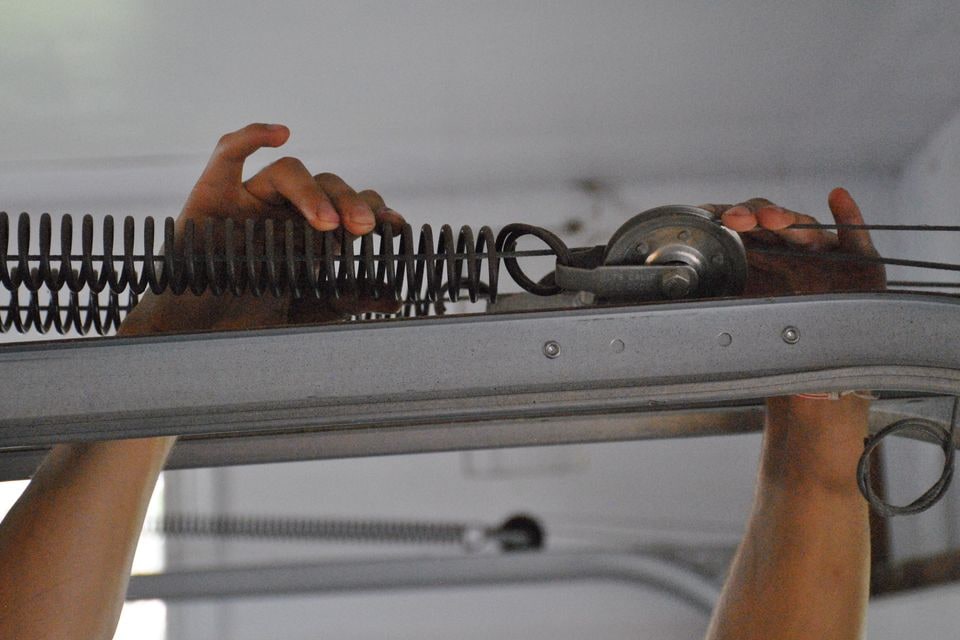
- Spring and cable repair
- Panel repair or replacement after damage from forcing
Why Choose Precision
- Trained technicians who find the cause, not just the ice
- Trucks stocked with seals, rollers, springs and opener parts
- Repairs for most major garage door and opener brands
- A clear price before any work begins
- A safety inspection after every repair
Same-day and emergency service available. Calls are answered by a live operator 24/7.
Get Your Frozen Garage Door Open Today
Don't fight the ice. Book online to see the next available appointment, or call and we'll get a technician headed your way.
Frequently Asked Questions
Table of Contents
Frozen Garage Door FAQs
Why is my garage door frozen to the ground?
Water from melting snow, rain or your car collects under the bottom seal and refreezes when temperatures drop overnight. Driveways that slope toward the garage and worn seals make it more likely.
How do I unfreeze my garage door?
Clear away snow and water, warm the seal with a hair dryer or a heat gun on low, apply a concrete-safe ice melt, and break up remaining ice with a plastic scraper. Then try the opener once.
Can I pour hot water on a frozen garage door?
It isn't recommended. Hot water can loosen the ice for a moment, but it often refreezes into a thicker layer and adds more water under the seal.
Will forcing a frozen garage door break my opener?
It can. When the door can't move, the opener strains against it, which can strip gears, overheat the motor, and bend the top panel.
How do I stop my garage door from freezing shut?
Keep the threshold clear of snow and water, treat the bottom seal with silicone spray, and replace the seal if it's cracked or flattened.
Does a frozen garage door mean I need a new bottom seal?
Not always. If the seal tears while freeing the door, or the door freezes shut often, replacement is usually the best fix. A technician can check the seal and retainer during your visit.
Can a frozen garage door damage the springs?
A frozen door can put extra stress on springs and cables, especially if the opener keeps trying to lift it. If you hear a loud bang or the door feels unusually heavy, stop and call a professional.